
Writer's Cramp Treatment in India

Treatment for Task-Specific Hand Dystonia

What Is Writer's Cramp?


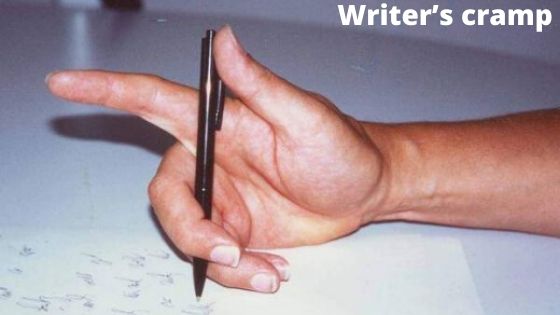
Writer’s cramp is a neurological movement disorder in which involuntary muscle contractions occur mainly during writing.

A person may notice:

Fingers tightening while writing

Writing becoming slow or difficult

Abnormal wrist or hand position

Pain or muscle fatigue

Excessive pressure on the pen

Difficulty controlling handwriting

In some patients, symptoms can occur during other fine hand activities as the condition progresses.

Causes and Symptoms of Writer's Cramp

Writer’s cramp is associated with abnormal muscle activity and communication within the brain circuits responsible for movement control.

Symptoms can include:

  • Involuntary hand contractions
  • Abnormal finger movements
  • Wrist turning or bending
  • Difficulty maintaining normal handwriting
  • Muscle discomfort
  • Symptoms triggered by writing or other specific tasks

A detailed neurological examination helps distinguish writer’s cramp from other causes of hand difficulty or tremor.

Treatment for Writer's Cramp

Treatment is selected according to the patient's symptoms and functional limitations.

Medicines

Certain medicines may be used to reduce abnormal muscle contractions, although their effectiveness varies.
Botulinum Toxin Treatment

Botulinum toxin injections may be used to reduce excessive activity in selected muscles. The muscles treated and dose are determined according to the patient's movement pattern.

Rehabilitation

Occupational or physical therapy may help patients develop strategies for performing affected activities.

Functional Neurosurgery

For selected patients with severe, persistent dystonia that remains difficult to control with other treatments, functional neurosurgical procedures may be considered.

Deep Brain Stimulation for Dystonia

DBS may be considered in selected patients with medically difficult-to-control dystonia. The procedure involves placing electrodes in a specific brain target and connecting them to an implanted pulse generator. The device delivers controlled electrical stimulation to the selected brain circuit.

The decision to consider DBS depends on the type and cause of dystonia, severity of symptoms, duration of the condition, previous treatment, and overall assessment.

How Writer's Cramp Treatment Is Planned

Treatment begins with detailed assessment of the abnormal movement.

The process may include:

Recovery and Follow-Up

Follow-up depends on the treatment used. Patients receiving botulinum toxin require repeat assessment and injections according to their response. Patients undergoing DBS require device programming and ongoing neurological follow-up.

Rehabilitation may also be recommended to support hand function and daily activities.

Why Choose Dr. Chirag N. Solanki for Writer's Cramp Treatment?

Dr. Chirag N. Solanki is a Senior Neurosurgeon and Functional & Epilepsy Surgery Specialist with specialized training in functional neurosurgery. He completed his M.Ch. in Neurosurgery at NIMHANS, Bengaluru, and received fellowship training in Functional Neuromodulation Surgery at John Radcliffe Hospital, Oxford, UK. His clinical work includes movement disorders and functional neurosurgical procedures.

His qualifications include:

His functional neurosurgical practice includes DBS, movement disorders, and epilepsy surgery. His profile also records specialized fellowship training in Functional Neuromodulation Surgery and the establishment of a dedicated Functional Neuromodulation Surgery program in Gujarat.

Frequently Asked Questions

Find clear and reliable answers to common questions about Functional Neuromodulation Surgery in Ahmedabad, treatment approach, and patient care under Dr. Chirag N. Solanki.

Yes. Writer's cramp is generally classified as a focal task-specific dystonia.

Yes. Treatment options include medicines, botulinum toxin, rehabilitation, and selected functional neurosurgical procedures.

Most patients do not require surgery. Functional neurosurgery may be considered for selected severe cases that remain difficult to control.

In some patients, dystonia may extend beyond writing and affect other fine motor tasks.

Consult for Writer's Cramp Treatment in India

Persistent hand contractions or abnormal movements during writing should be evaluated by a movement disorder and functional neurosurgery specialist when symptoms interfere with daily activities.

Scroll to Top