Parkinson's Disease Treatment in Ahmedabad
Expert Treatment by a Parkinson’s Disease Specialist in Ahmedabad
Led by Dr. Chirag N. Solanki, Fellowship-Trained Neurosurgeon (NIMHANS & Oxford)

About Parkinson’s Disease
Parkinson’s disease is a progressive neurological disorder that affects movement due to the degeneration of dopamine-producing brain cells in the substantia nigra. Dopamine is essential for smooth and coordinated body movements. A reduction in dopamine levels leads to symptoms such as tremors, muscle rigidity, slowness of movement, and balance problems.
Early diagnosis and expert treatment by a Parkinson’s specialist in Ahmedabad can significantly slow disease progression and improve quality of life.
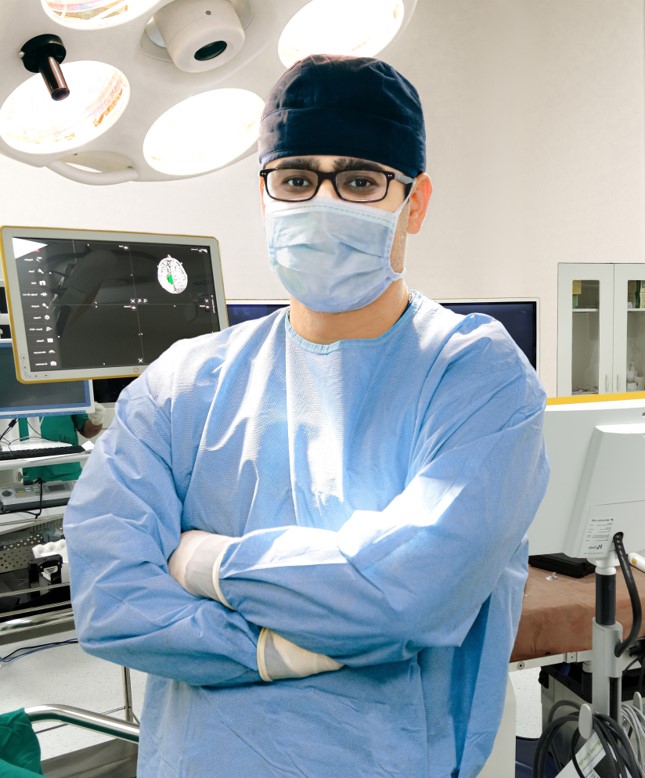
Dr. Chirag N. Solanki
MBBS, MS, M.Ch. (Neurosurgery – NIMHANS),
Fellowship-Trained Functional Neurosurgeon (NIMHANS & Oxford)
Dr. Chirag Solanki is a leading Parkinson’s disease specialist in Ahmedabad, offering advanced diagnosis and treatment for Parkinson’s disease and other movement disorders. As the first Stereotactic & Functional Neurosurgeon in Ahmedabad and across Gujarat, Rajasthan, and MP, Dr. Solanki provides world-class care using modern medical and surgical techniques. He specializes in the advanced management of Parkinson’s disease and other movement disorders, with a strong focus on both medical and surgical treatment options.
At CNS Neurosurgery, Dr. Solanki provides comprehensive care for Parkinson’s disease, including advanced evaluation, long-term management, and surgical solutions such as Deep Brain Stimulation (DBS) for eligible patients.
Parkinson’s disease requires continuous monitoring, medication adjustments, and specialized neurological care. A functional neurosurgeon plays a crucial role in maintaining patient independence and improving long-term outcomes.
Types of Parkinson’s Disease
Parkinson’s disease can present in several forms depending on its cause and progression pattern:
Idiopathic (Primary) Parkinson’s Disease
The most common form with no identifiable single cause.
Genetic or Familial Parkinson’s Disease
Linked to specific inherited genetic mutations.
Secondary Parkinsonism
Caused by medications, toxins, head injury, or other neurological conditions.
Atypical Parkinsonism
Conditions with Parkinson-like symptoms but different progression and treatment response.
Young-Onset Parkinson’s Disease
Occurs before age 50 and may progress differently.
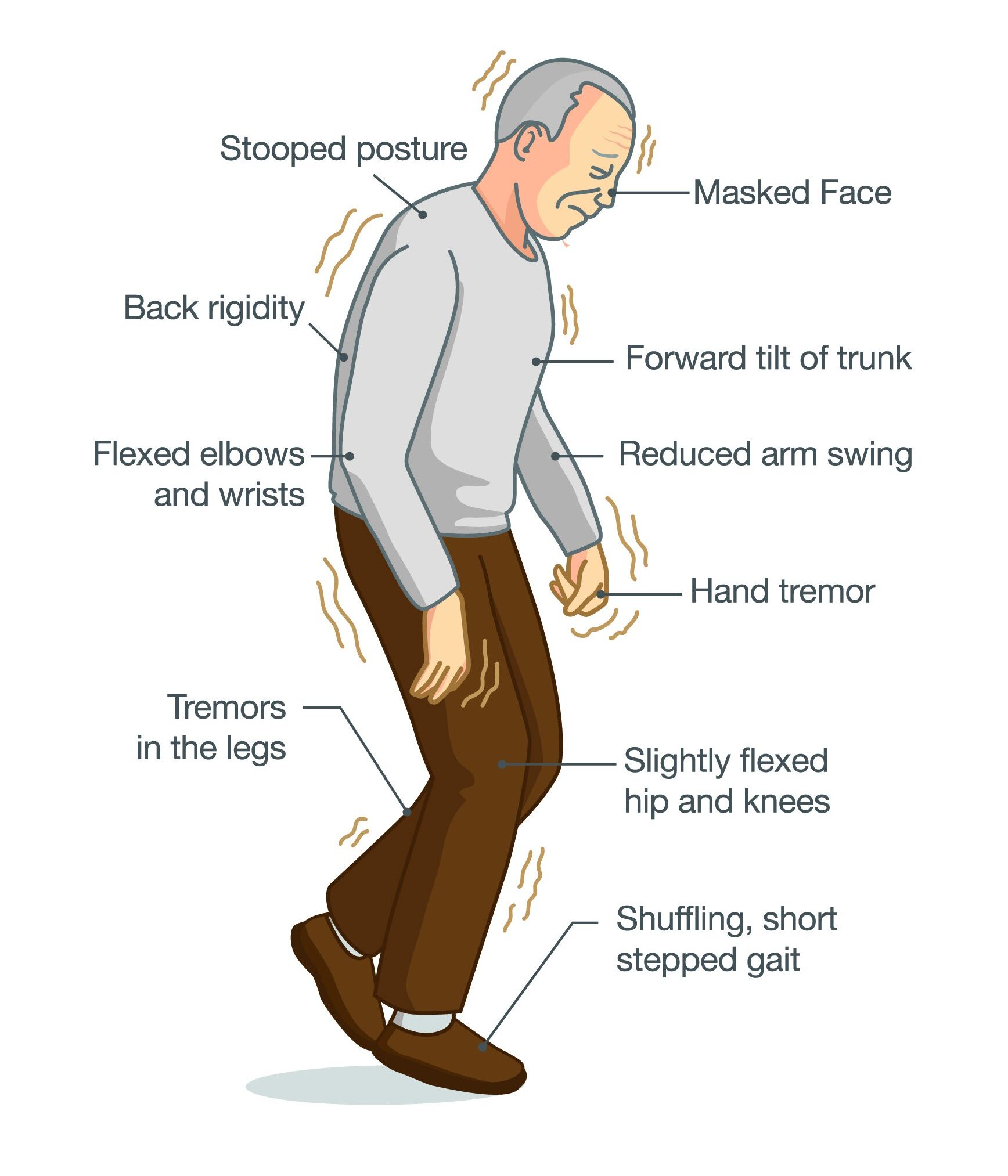
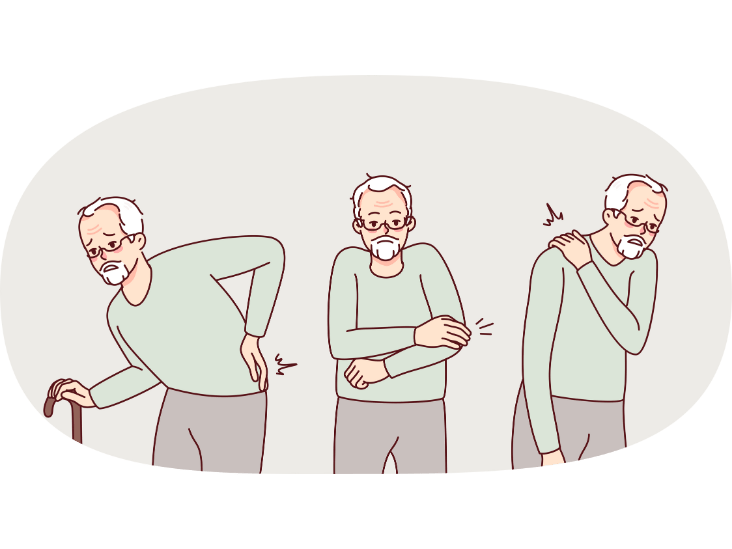
Symptoms of Parkinson’s Disease
Symptoms develop gradually and progress over time.
Motor Symptoms
Tremors (often at rest)
Bradykinesia (slowness of movement)
Muscle rigidity or stiffness(stiffness of muscles)
Balance issues or frequent falls (difficulty maintaining balance)
Non-Motor Symptoms
Sleep disturbances
Constipation
Anxiety or depression
Reduced sense of smell
Cognitive or memory changes
If you notice these symptoms, consult a Parkinson’s disease specialist in Ahmedabad at the earliest.
Causes of Parkinson’s Disease
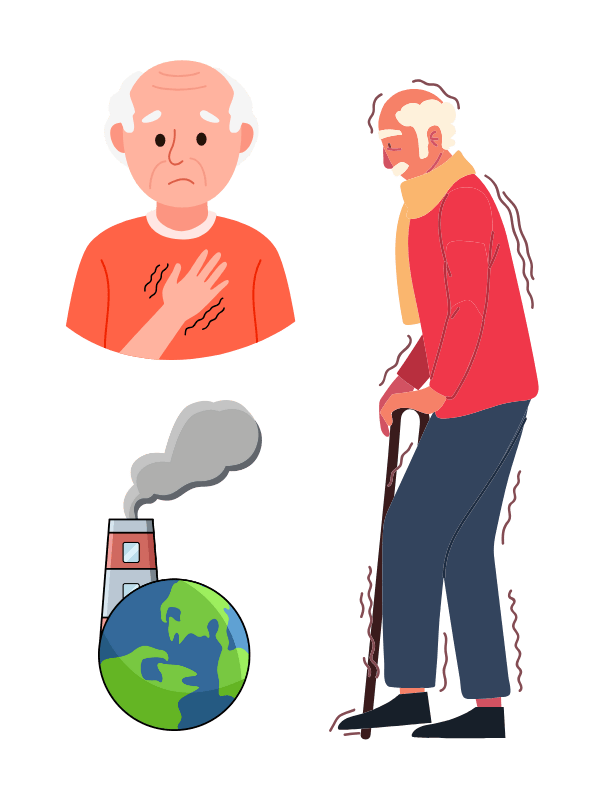
The exact cause of Parkinson’s disease remains unknown. Both genetic and environmental factors are believed to contribute to its development. While some cases are linked to inherited genetic mutations, most are sporadic, meaning there is no family history.
Parkinson’s disease may develop due to multiple contributing factors:
Environmental Exposure
Pesticides, toxins, or chemicals
Age-Related Degeneration
Common in people over 55+
Genetic Factors
A family history of Certain rare inherited mutations disorders can all raise the risk.
Unknown/Sporadic Causes
Most cases have no family history

Signs That You Need to See a Doctor Right Away
If you see or experience any of the following, Seek neurological evaluation if you experience:
- Persistent tremors in hands or body
- Slowing of daily activities such as walking or eating
- Muscle stiffness that affects movement
- Sudden change in posture or balance
- Reduced facial expression (masked face)
- Soft, slurred, or unclear speech
Parkinson’s Disease Diagnosis in Ahmedabad
At CNS Neurosurgery, Dr. Chirag Solanki uses advanced diagnostic methods:
- MRI / CT Scan – To rule out other neurological conditions
- Functional Brain Imaging (where applicable) – To assess brain pathways
- Detailed Neurological Examination – Primary diagnostic tool
- Blood Tests – To exclude conditions that mimic Parkinson’s disease

Parkinson’s Disease Treatment & Recovery
Medications are the primary treatment option and aim to replenish dopamine levels or enhance its effects in the brain.
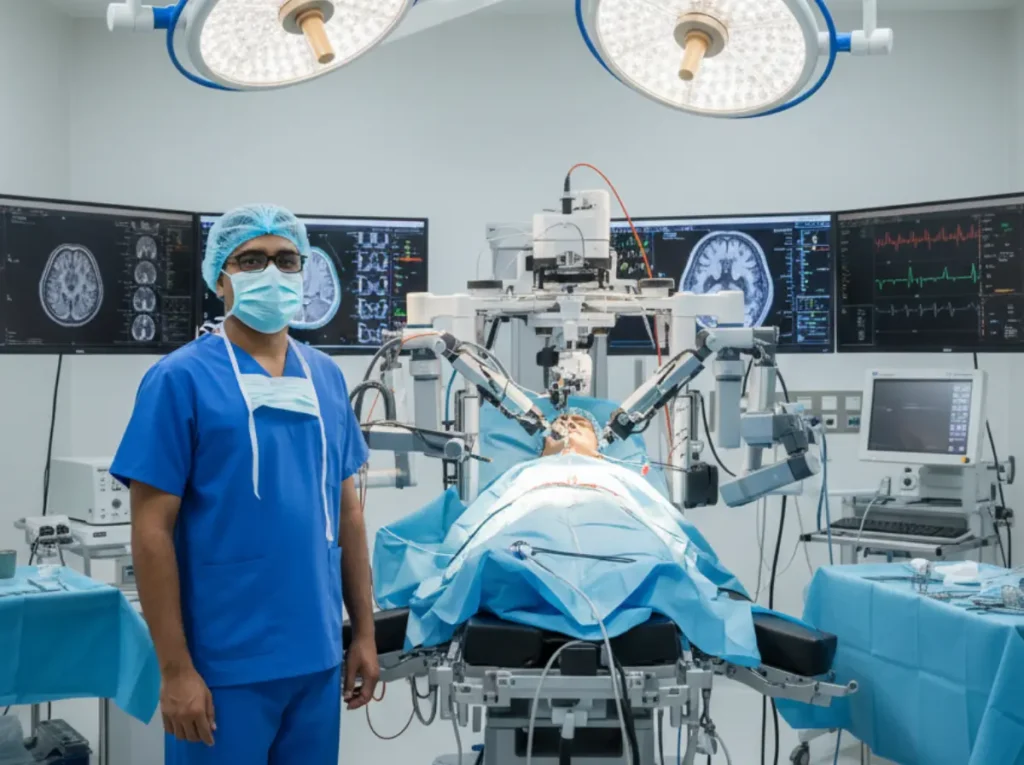
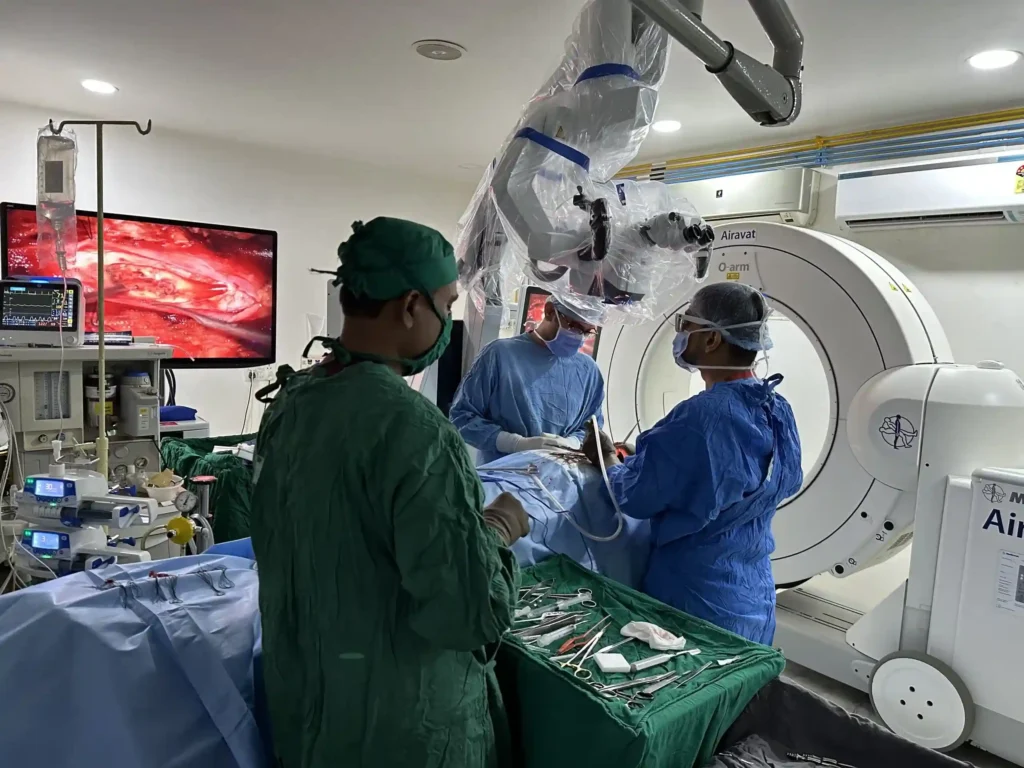
For patients with advanced Parkinson’s disease who no longer respond adequately to medication, Deep Brain Stimulation (DBS) is an effective surgical option. This procedure can significantly improve motor symptoms and reduce medication dependency.
A multidisciplinary rehabilitation approach helps improve overall functioning and quality of life. This may include:
Physiotherapy to improve mobility, balance, and strength
Occupational therapy to support daily activities and independence
Speech therapy to improve voice clarity and swallowing difficulties
For patients with advanced Parkinson’s disease who no longer respond adequately to medications, Deep Brain Stimulation (DBS) is an advanced surgical treatment. In this procedure, electrodes are implanted in specific areas of the brain to regulate abnormal signals, helping improve motor symptoms and reduce medication dependence.
After DBS surgery, careful device programming and regular follow-up visits are essential to optimize symptom control and ensure long-term treatment success.
Neuromodulation using Spinal Cord Stimulation (SCS) is an advanced therapy used in selected patients with spinal cord injury and paraplegia. It works by delivering controlled electrical stimulation to the spinal cord to stimulate neural pathways. When combined with intensive physiotherapy and rehabilitation, it may help improve motor function, reduce spasticity, and enhance recovery outcomes.
Why Choose Dr. Chirag Solanki?
Dr. Chirag Solanki combines advanced neurosurgical expertise, innovative technology, and compassionate patient care. His approach focuses on complete neurological recovery while enhancing physical independence and overall quality of life for Parkinson’s patients.
Fellowship-trained Functional Neurosurgeon (NIMHANS & Oxford)
Proven expertise in DBS and epilepsy surgery
Advanced diagnostic and surgical technology
Personalized treatment plans
Strong focus on safety, ethics, and outcomes
Trusted center for complex neurological conditions
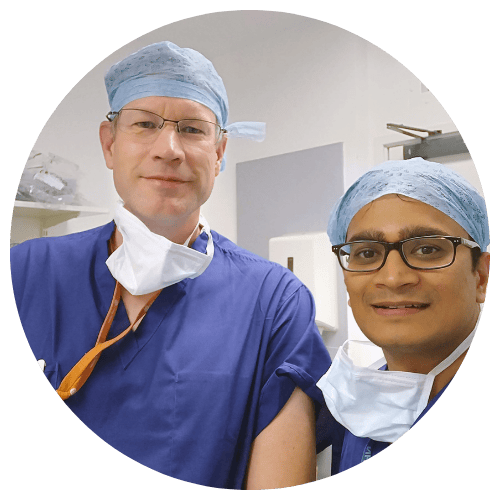
Fellowship-Trained Expertise
NIMHANS, India | Oxford, UK
Dr. Chirag N. Solanki is a fellowship-trained Functional Neurosurgeon with advanced training from NIMHANS and Oxford, specializing in DBS, epilepsy surgery, and movement disorders with proven clinical outcomes.
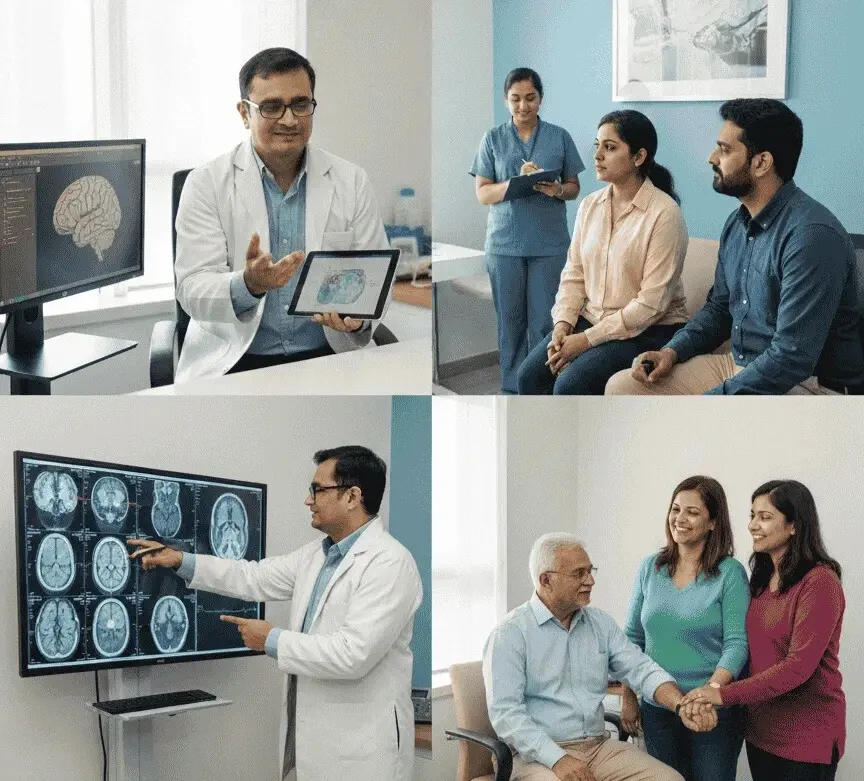
Personalized, Whole-Person Treatment
Care Beyond Surgery
Every patient receives a customized treatment plan focused on physical recovery, cognitive health, emotional well-being, and long-term quality of life.
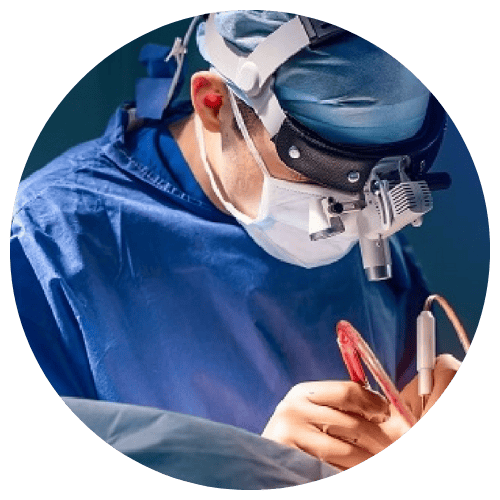
Advanced Technology & Ethical Care
Precision. Safety. Transparency.
Equipped with state-of-the-art neuro-diagnostics, image-guided surgery, and modern operating facilities, we ensure safe, accurate, and ethically driven neurosurgical care.
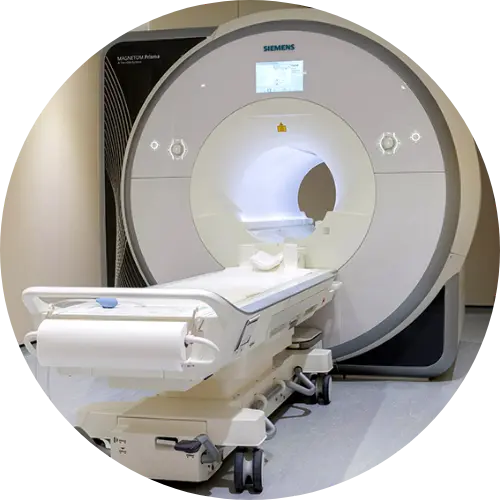
Trusted Center with Comprehensive Support
From Diagnosis to Recovery
Recognized for managing complex functional neurosurgical conditions, supported by advanced neuroimaging, ICU care, and multidisciplinary neurological support.
F.A.Q.
Find quick, clear answers to common questions about Dr. Chirag N. Solanki’s neurosurgical expertise, functional neuromodulation surgery services, treatment approach, and advanced facilities to help you make confident, informed healthcare decisions.
No. Parkinson’s disease is not curable, but with early diagnosis and proper treatment, symptoms can be effectively managed for many years, allowing patients to maintain a good quality of life.
A Parkinson’s disease specialist, such as a neurologist or functional neurosurgeon, is best suited to diagnose and manage Parkinson’s disease, especially in advanced stages requiring surgical treatment like DBS.
You should consult a specialist if you experience persistent tremors, muscle stiffness, slowed movements, balance problems, or changes in speech or facial expressions.
No. Most patients are initially managed with medications. Surgery such as Deep Brain Stimulation (DBS), is recommended only for advanced cases where medications are no longer effective or cause side effects.
Deep Brain Stimulation is an advanced surgical treatment for Parkinson’s disease in which electrodes are placed in specific areas of the brain to control abnormal movements and reduce symptoms.
Patients with advanced Parkinson’s disease who respond to medication but experience severe fluctuations, tremors, or side effects may be suitable candidates after proper evaluation by a functional neurosurgeon.
Yes. Young-onset Parkinson’s disease can occur before the age of 50 and often requires long-term management and specialized care.
Diagnosis is mainly clinical, based on neurological examination. MRI, CT scans, and other tests may be used to rule out similar conditions.
Yes. Parkinson’s disease is progressive, but the rate of progression varies from person to person and can be slowed with appropriate treatment.
With proper medical treatment, therapy, lifestyle changes, and regular follow-ups, many patients live active and independent lives for years.
Regular exercise, a balanced diet, stress management, adequate sleep, and physiotherapy play an important role in symptom control.
You can consult Dr. Chirag Solanki at CNS Neurosurgery, Ahmedabad, for comprehensive Parkinson’s disease diagnosis, medical management, and advanced surgical treatment.
Take Action Now!
Parkinson’s disease is a chronic condition, but early diagnosis and proactive treatment can help patients maintain independence and a fulfilling quality of life.