
Brachial Plexus Injury Treatment in India

Surgical Treatment for Nerve Injuries Affecting the Arm and Hand

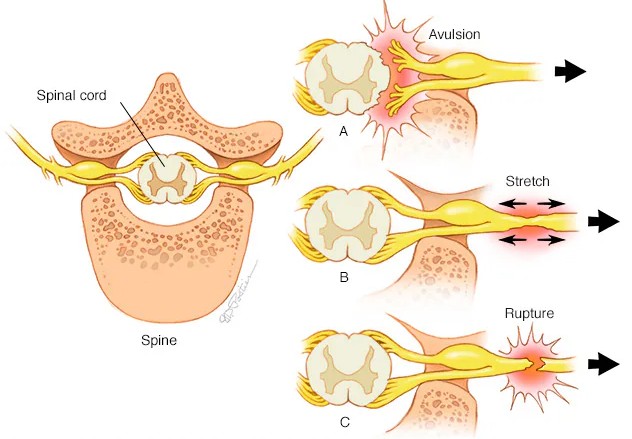
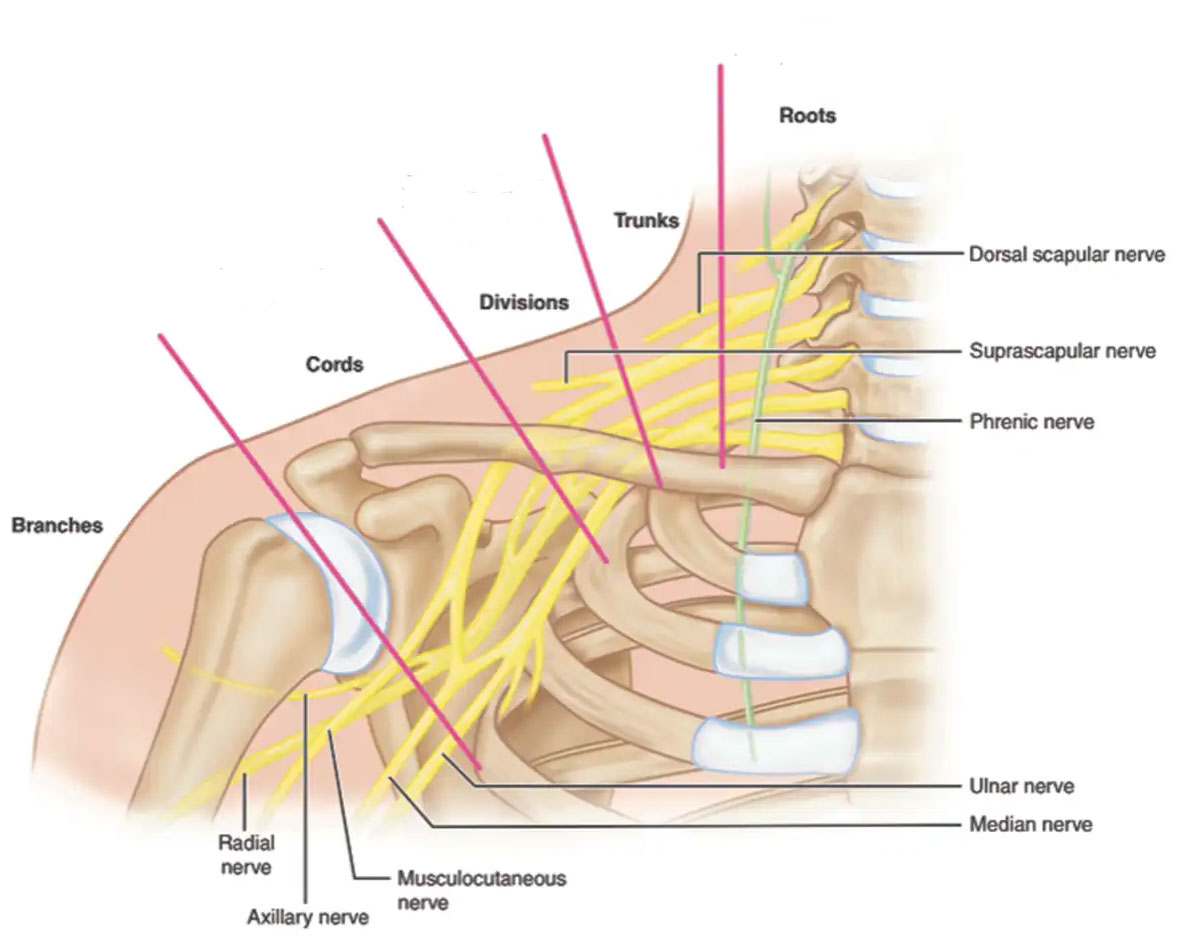
The brachial plexus is a network of nerves that carries signals from the spinal cord to the shoulder, arm, and hand. Injury to these nerves can cause weakness, loss of movement, numbness, pain, or complete loss of function in the affected limb.

Treatment depends on the type, location, and severity of the nerve injury. Some injuries recover with observation and rehabilitation, while severe or persistent injuries may require nerve surgery.

What Is a Brachial Plexus Injury?


A brachial plexus injury occurs when the nerves connecting the spinal cord to the upper limb are stretched, compressed, or damaged.

It can affect:

Shoulder movement

Elbow movement

Wrist movement

Hand function

Sensation in the arm

Muscle strength

Severe injuries can result in significant loss of upper-limb function.

Symptoms of Brachial Plexus Injury

Symptoms can vary depending on which nerves are affected.

Patients may experience:

  • Weakness in the arm
  • Loss of shoulder movement
  • Difficulty bending the elbow
  • Weak wrist or hand movement
  • Numbness
  • Loss of sensation
  • Severe nerve pain
  • Muscle wasting

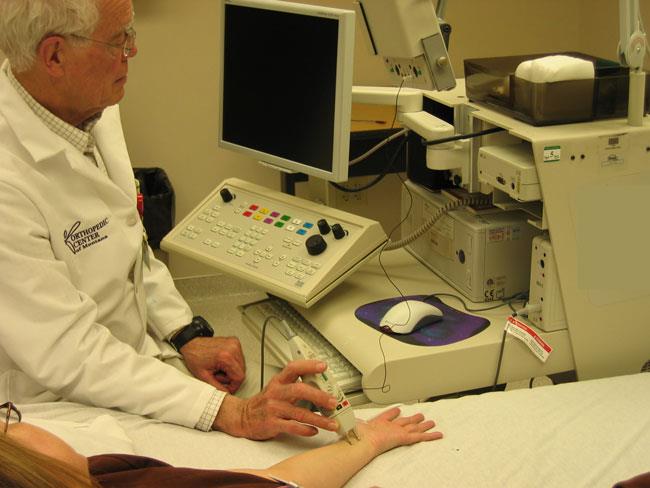
A detailed nerve examination is important to determine the extent of injury.

Treatment for Brachial Plexus Injury

Treatment depends on the severity and type of nerve injury.

Observation and Rehabilitation

Some nerve injuries can recover naturally. Physiotherapy and rehabilitation help maintain joint movement and muscle function during recovery.

Nerve Repair

When a nerve is cut or severely damaged, surgical repair may be considered.

Nerve Grafting

A damaged section of nerve may sometimes be reconstructed using a nerve graft.
Nerve Transfer

A functioning nerve or nerve branch may be redirected to restore movement in a muscle whose original nerve supply has been damaged.
Brachial Plexus Surgery and Rehabilitation

Surgery is only one part of recovery from a major nerve injury.
After surgery, rehabilitation may be required to:

Maintain joint movement

Strengthen recovering muscles

Improve motor control

Prevent stiffness

Retrain movement patterns

Support functional recovery

Recovery of nerve function can take time because damaged nerves may require months to regenerate and reconnect with muscles.

How Brachial Plexus Treatment Is Plannedin India

Treatment planning begins with a detailed assessment of the injury.

The process may include:

Why Choose Dr. Chirag N. Solanki for Deep Brain Stimulation?

Dr. Chirag N. Solanki is a Senior Neurosurgeon with experience in peripheral nerve and brachial plexus surgery. His professional profile specifically lists Brachial Plexus & Peripheral Nerve Surgeries among his areas of surgical experience.

His qualifications include M.Ch. Neurosurgery from NIMHANS, Bengaluru, along with fellowship training in Functional Neuromodulation Surgery and Neuroendoscopy & Minimally Invasive Brain/Spine Surgery.

His qualifications include:

Frequently Asked Questions About Brachial Plexus Injury Treatment

Find clear and reliable answers to common questions about Functional Neuromodulation Surgery in Ahmedabad, treatment approach, and patient care under Dr. Chirag N. Solanki.

Some nerve injuries recover naturally, while severe injuries may require surgical treatment. Assessment of the injury is important before deciding.

Specialist evaluation is recommended when significant weakness, loss of sensation, severe pain, or loss of arm function occurs after an injury.

A nerve transfer uses a functioning nerve or nerve branch to restore nerve supply to a muscle affected by the original injury.

Nerve recovery is usually gradual and can take several months or longer depending on the type and extent of injury.

Rehabilitation is often an important part of recovery and is planned according to the injury and surgical procedure.

Consult for Brachial Plexus Injury Treatment in India

If an injury has caused weakness, numbness, severe pain, or loss of movement in the shoulder, arm, or hand, early specialist assessment can help determine the extent of nerve damage and appropriate treatment.

Scroll to Top