
Sacral Neuromodulation in India
What Is Sacral Neuromodulation?
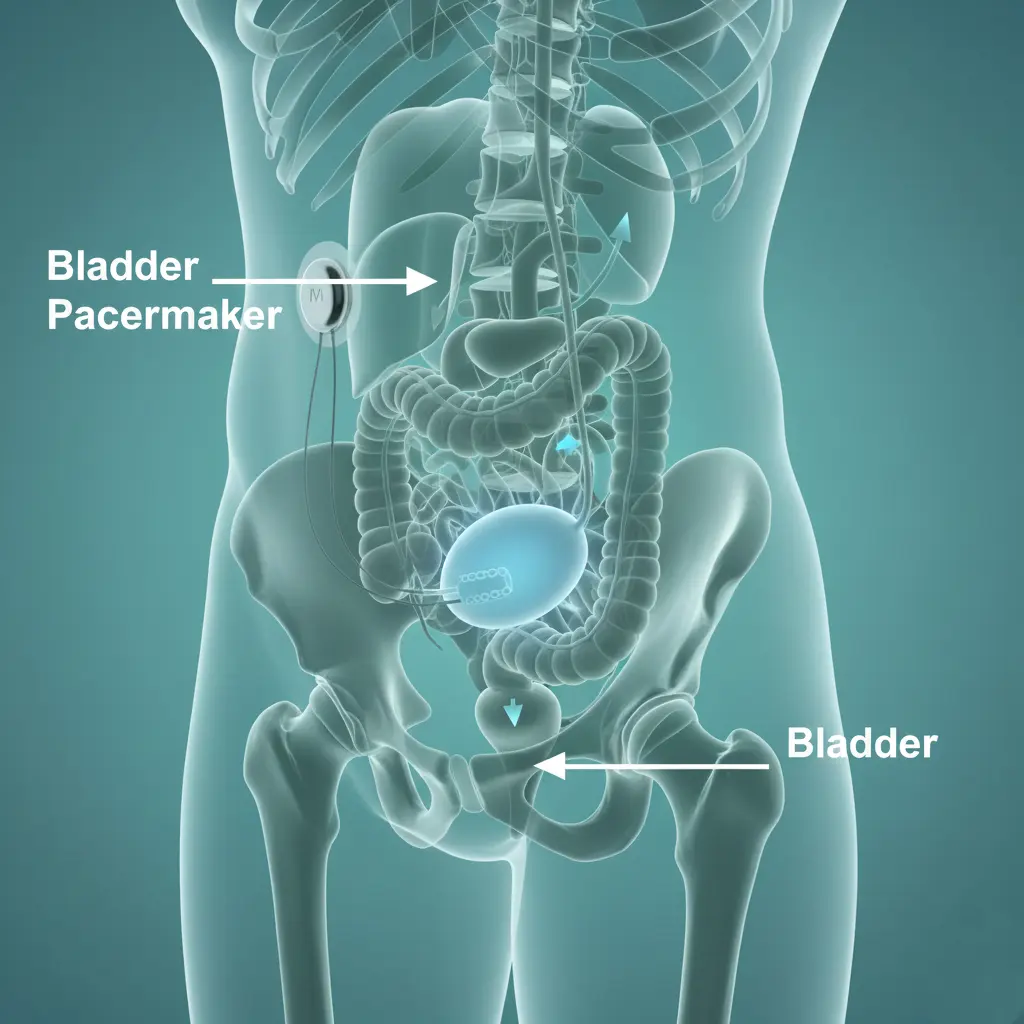
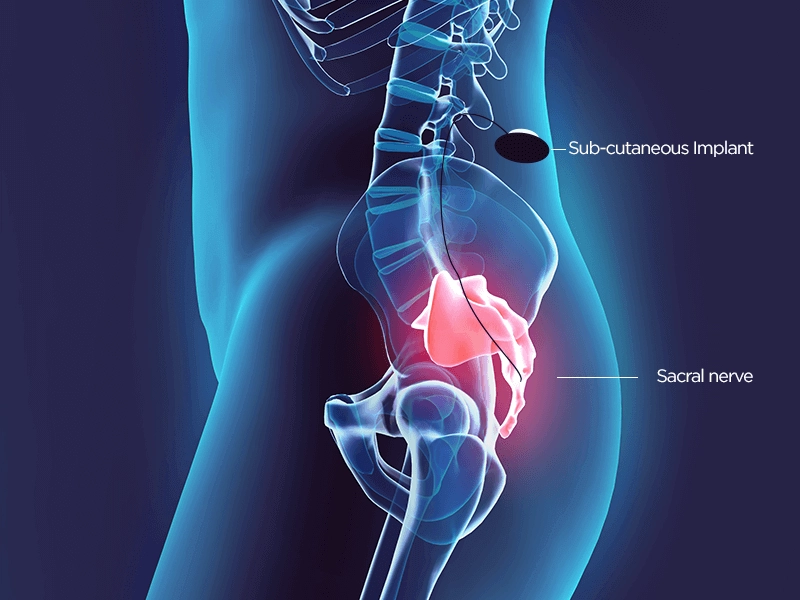
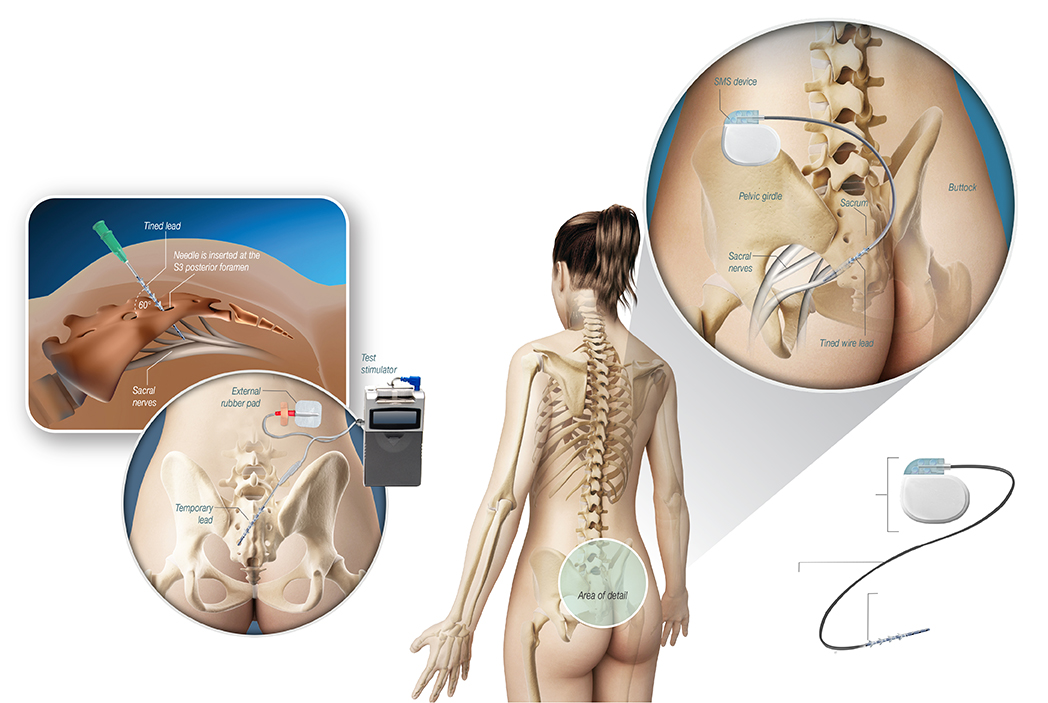
Sacral neuromodulation works by delivering controlled electrical impulses to nerves involved in bladder and pelvic function.
The treatment may be considered for selected neurological or functional bladder disorders where symptoms remain difficult to control with conservative treatment.
A sacral neuromodulation system generally includes:
A stimulation lead placed near the sacral nerves
An implanted pulse generator
Programming controls used to adjust stimulation
The treatment settings can be modified according to the patient’s response.
When Is Sacral Neuromodulation Considered?
Patients may be evaluated for sacral neuromodulation when bladder symptoms continue despite appropriate conservative treatment.
Depending on the underlying condition, symptoms may include:
- Loss of bladder control
- Urgency
- Frequent urination
- Difficulty controlling urination
- Neurological bladder dysfunction
The underlying cause of bladder symptoms needs to be established before treatment is considered.
Evaluation Before Sacral Neuromodulation
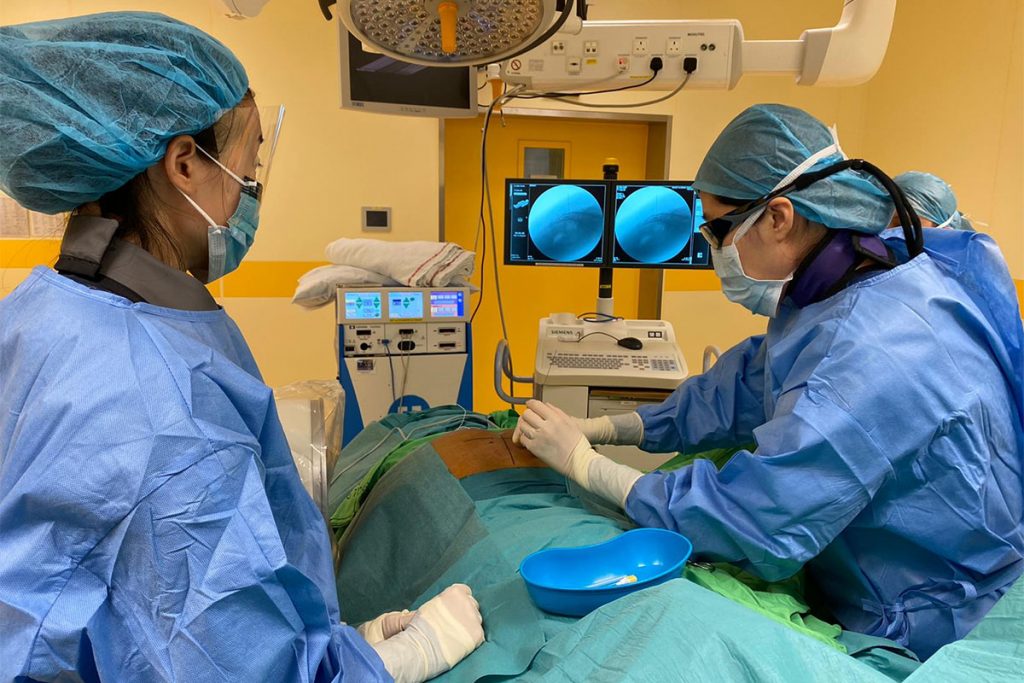
A detailed assessment is required to determine the cause of bladder dysfunction and whether neuromodulation is appropriate.
Evaluation may include:
Medical history
Neurological examination
Assessment of bladder symptoms
Urological evaluation
Relevant imaging
Other tests depending on the suspected cause
The treatment plan is based on the patient's symptoms and the findings of the evaluation.
How Is Sacral Neuromodulation Performed?
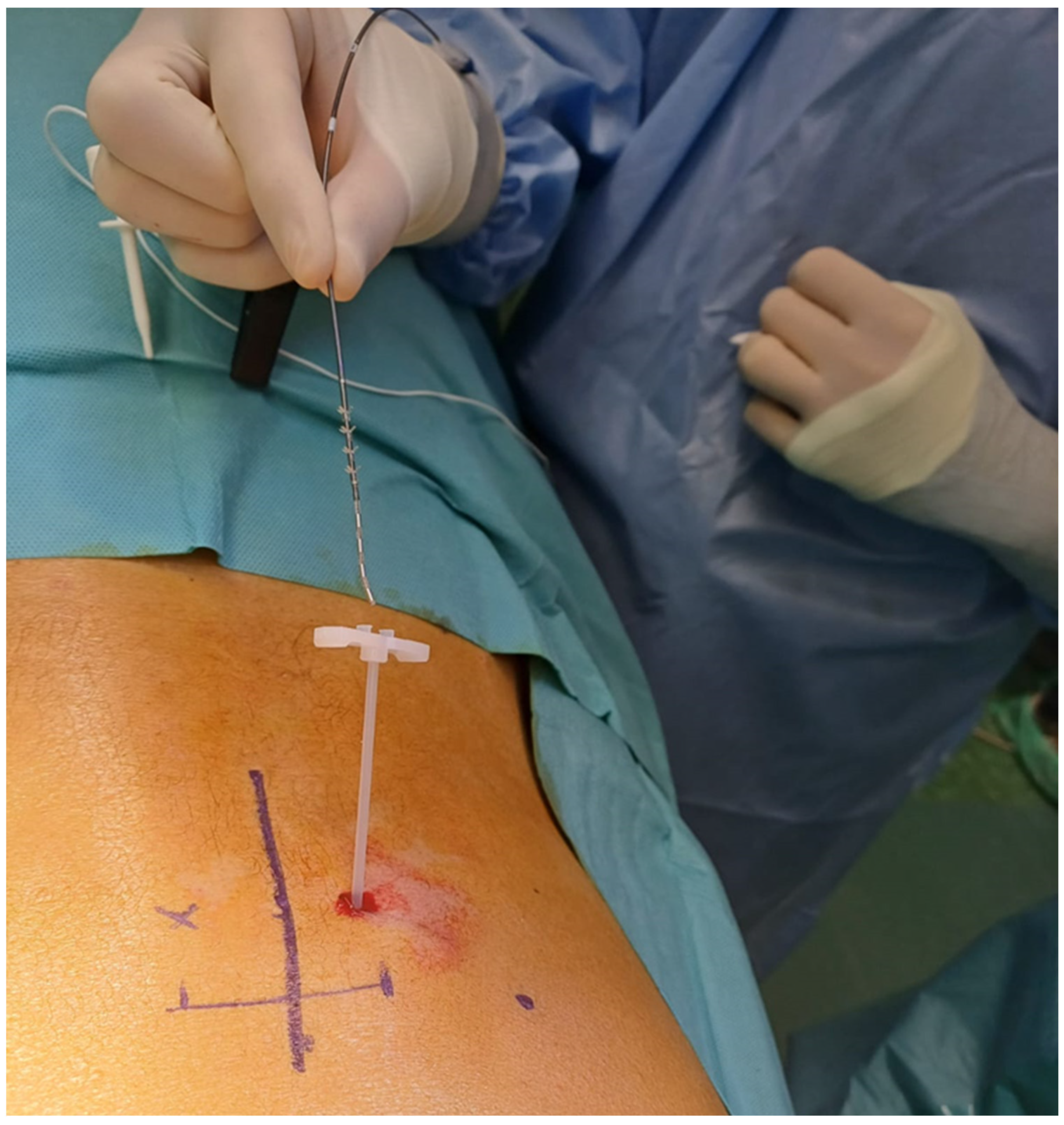
The treatment generally involves placing a stimulation lead close to the selected sacral nerve.
Evaluation
The patient's bladder symptoms and underlying condition are assessed.

Lead Placement
A thin electrode is placed near the appropriate sacral nerve.

Stimulation
Electrical stimulation is delivered to the nerve.

Device Implantation
When appropriate, the stimulation system is connected to an implanted pulse generator.

Programming
The device is programmed and adjusted according to the patient's response.
Why Choose Dr. Chirag N. Solanki for Sacral Neuromodulation?
Neurological conditions can interfere with normal communication between the brain, spinal cord, nerves, and bladder. Sacral neuromodulation aims to regulate nerve signals involved in bladder function.
It may be considered when conventional treatment has not adequately controlled symptoms and the patient is found suitable after specialist evaluation.
Recovery and Follow-Up
Patients are monitored after the procedure and provided with instructions for recovery.
Follow-up may include:
Device programming
Assessment of bladder symptoms
Adjustment of stimulation settings
Monitoring of the implanted system
Continued management of the underlying neurological condition
Long-term follow-up is important to monitor treatment response.
Why Choose Dr. Chirag N. Solanki for Sacral Neuromodulation?
Dr. Chirag N. Solanki is a Senior Neurosurgeon and Functional & Epilepsy Surgery Specialist with specialized training in functional neurosurgery.
His qualifications include:
- MBBS – B. J. Medical College, Ahmedabad
- MS (General Surgery) – B. J. Medical College, Ahmedabad
- M.Ch. (Neurosurgery) – NIMHANS, Bengaluru
- Fellowship in Functional Neuromodulation Surgery – John Radcliffe Hospital, Oxford, UK
- Fellowship in Neuroendoscopy & Minimally Invasive Brain/Spine Surgery – NSCB, India
His functional neurosurgical practice includes DBS, movement disorders, and epilepsy surgery. His profile also records specialized fellowship training in Functional Neuromodulation Surgery and the establishment of a dedicated Functional Neuromodulation Surgery program in Gujarat.
Frequently Asked Questions About Sacral Neuromodulation
Find clear and reliable answers to common questions about Functional Neuromodulation Surgery in Ahmedabad, treatment approach, and patient care under Dr. Chirag N. Solanki.
It may be used for selected bladder and pelvic disorders involving abnormal nerve control.
Yes. The treatment involves placement of a stimulation lead and, when appropriate, an implanted pulse generator.
Yes. The stimulation settings can be programmed and adjusted according to the patient's response.
No. The underlying cause and severity of bladder dysfunction need to be assessed before treatment.
If bladder dysfunction continues to affect daily life despite conventional treatment, specialist neurological and urological evaluation can help determine whether sacral neuromodulation may be appropriate.