
Epilepsy Surgery in India
What Is Epilepsy Surgery?
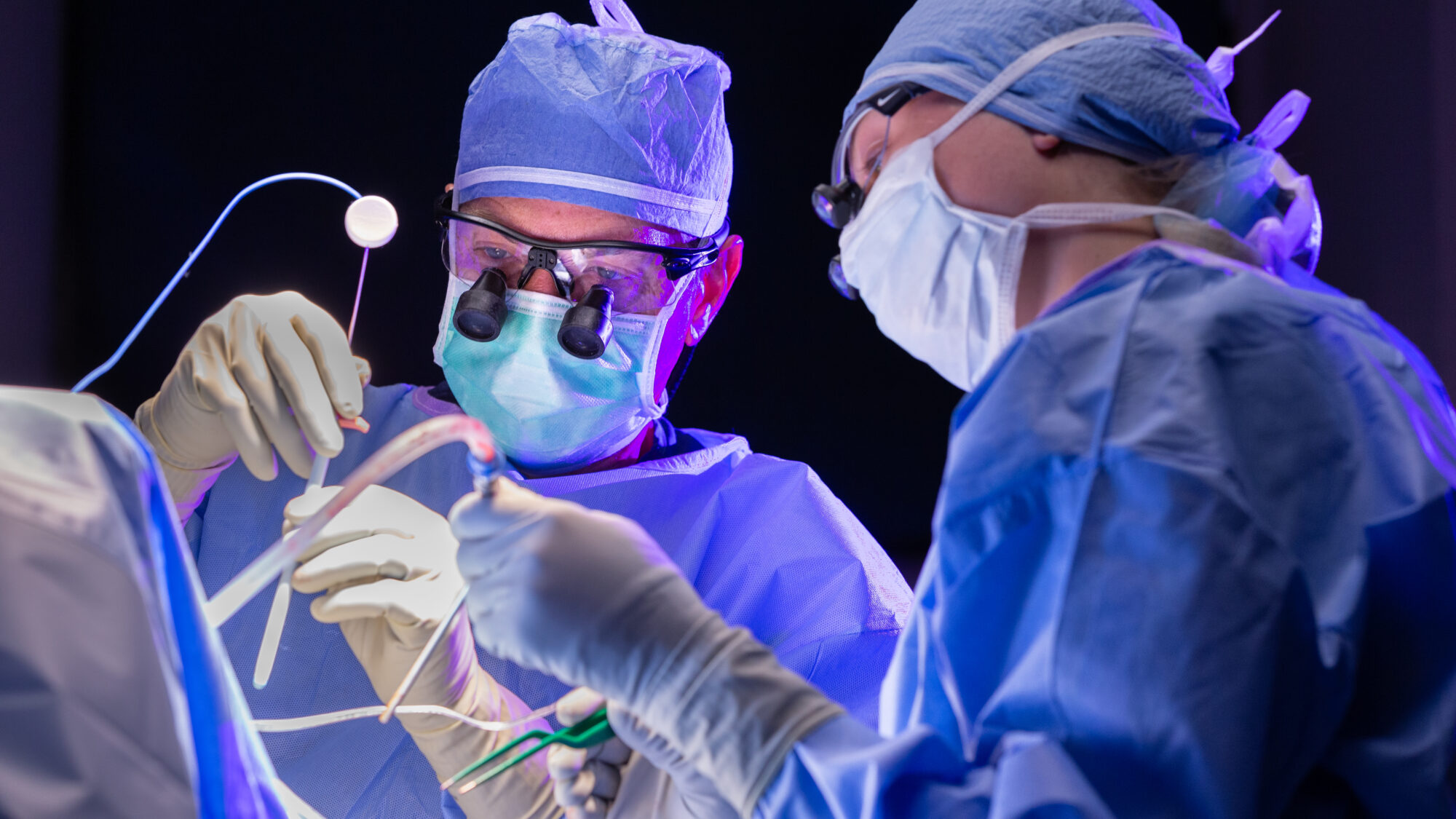
Epilepsy surgery involves identifying where seizures begin in the brain and selecting an appropriate treatment based on the location, cause, and type of seizures.
Surgical treatment may be considered when epilepsy remains uncontrolled despite appropriate medication.
Depending on the patient’s condition, treatment may involve:
Removal of the seizure-producing brain area
Disconnection procedures
Laser or other minimally invasive procedures where appropriate
Neuromodulation procedures in selected patients
The treatment is planned only after detailed seizure evaluation.
When Is Epilepsy Surgery Considered?
Surgical evaluation may be recommended when:
- Seizures continue despite appropriate medicines
- Seizures significantly affect daily life
- Seizures create safety concerns
- A specific seizure-producing area can be identified
- Imaging and other investigations support a surgical approach
Not every patient with epilepsy requires surgery. Careful evaluation is essential before treatment.
Epilepsy Surgery Evaluation
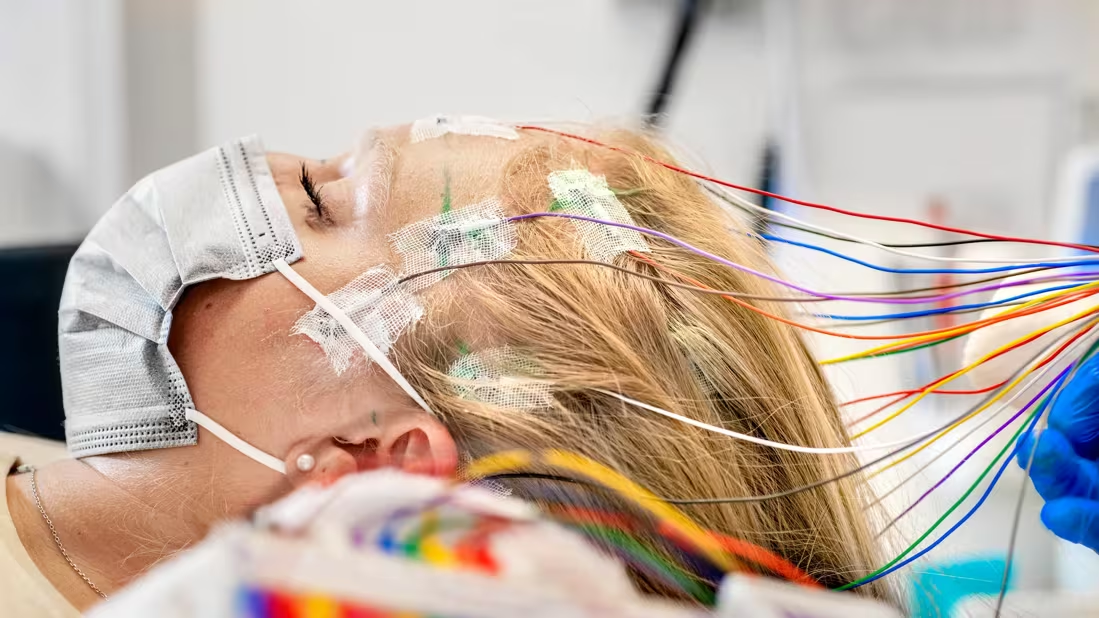
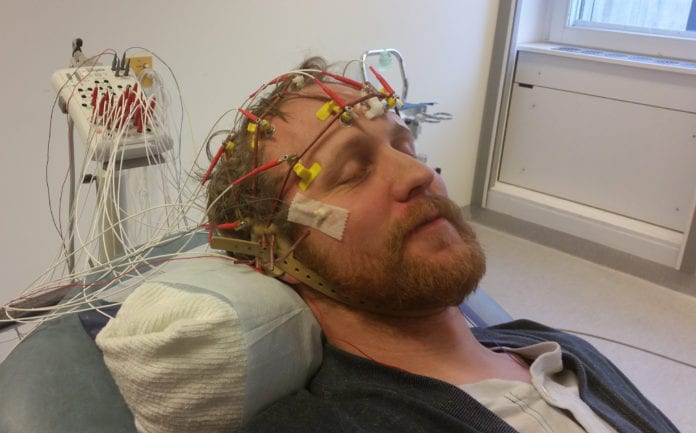
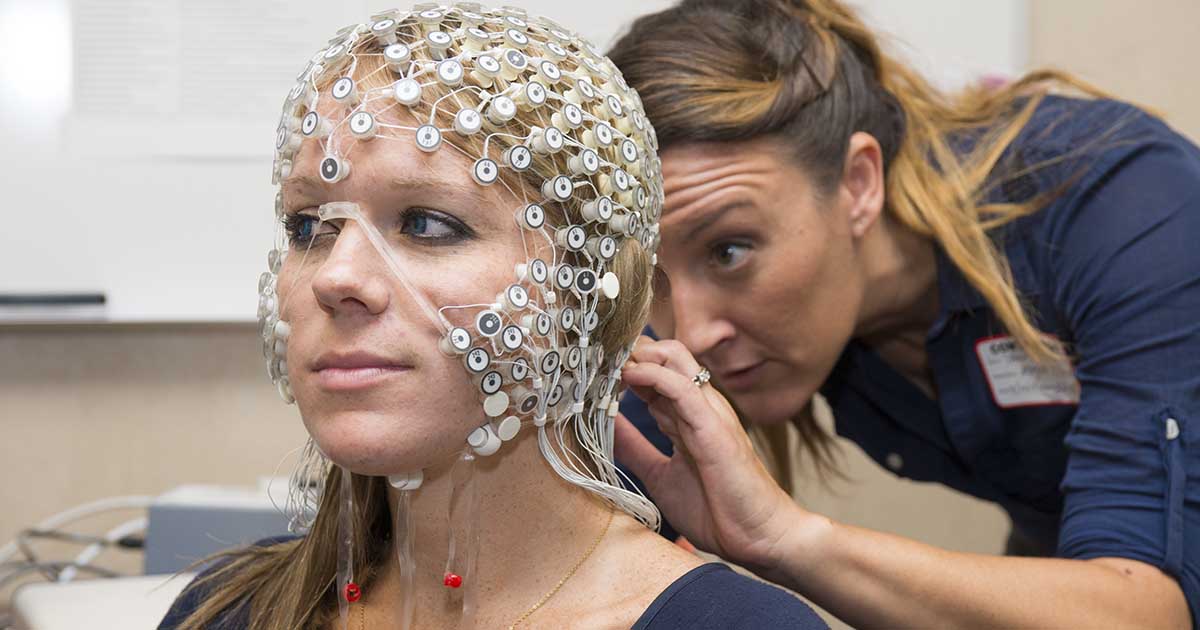
Video EEG Monitoring
Video EEG records electrical brain activity together with the patient's clinical seizure events. It helps identify the seizure pattern and possible seizure onset region.
Brain MRI
MRI can identify structural abnormalities that may be responsible for seizures.
Neuropsychological Assessment
Cognitive testing can help assess memory, language, attention, and other brain functions before surgery.
Functional Brain Mapping
Brain mapping may be used when necessary to identify important areas involved in speech, movement, sensation, or other functions.
The available functional neurosurgery program described in the source includes video EEG monitoring, functional brain mapping, neuropsychological assessment, and electrophysiological studies.
Types of Epilepsy Surgery
The appropriate procedure depends on where seizures originate and whether the seizure-producing area can be safely treated.
Resective Surgery
The area responsible for generating seizures may be surgically removed when it can be identified and safely accessed.
Disconnection Surgery
Selected procedures interrupt abnormal seizure pathways when removal of the affected tissue is not appropriate.

Neuromodulation
For selected patients who are not suitable for resective surgery, neuromodulation may be considered to reduce seizure activity.
How Epilepsy Surgery Is Planned
Epilepsy surgery requires a structured evaluation before any surgical decision.
The process generally involves:
Seizure Assessment
Video EEG & Imaging
Seizure Localization
Functional Evaluation
Surgical Planning
Treatment
Follow-Up
Recovery and Follow-Up
After treatment, patients are monitored for seizure control, neurological function, medication requirements, and recovery.
Follow-up may include:
Seizure monitoring
Medication adjustment
Neurological assessment
Cognitive evaluation when required
Rehabilitation where necessary
Anti-seizure medicines may continue after surgery depending on the patient's condition and response.
Why Choose Dr. Chirag N. Solanki for Epilepsy Surgery?
Dr. Chirag N. Solanki is a Senior Neurosurgeon and Functional & Epilepsy Surgery Specialist with specialized training in functional neurosurgery.
His qualifications include:
- MBBS – B. J. Medical College, Ahmedabad
- MS (General Surgery) – B. J. Medical College, Ahmedabad
- M.Ch. (Neurosurgery) – NIMHANS, Bengaluru
- Fellowship in Functional Neuromodulation Surgery – John Radcliffe Hospital, Oxford, UK
- Fellowship in Neuroendoscopy & Minimally Invasive Brain/Spine Surgery – NSCB, India
His profile records specialized exposure to epilepsy and Functional Neuromodulation Surgery and lists epilepsy surgery among his areas of expertise.
Frequently Asked Questions
Find clear and reliable answers to common questions about Functional Neuromodulation Surgery in Ahmedabad, treatment approach, and patient care under Dr. Chirag N. Solanki.
It may be considered when seizures remain uncontrolled despite appropriate anti-seizure medication and evaluation identifies a possible surgical treatment.
No. Surgery is considered only for selected patients after detailed evaluation.
Video EEG records brain electrical activity along with the patient's clinical behavior to help identify and characterize seizures.
In appropriately selected patients, surgery can substantially reduce seizures and may result in seizure freedom. Outcomes depend on the type and location of epilepsy.
Many patients continue medication after surgery. The treatment team determines whether and when medication changes are appropriate.
If seizures continue despite appropriate medication, a comprehensive epilepsy evaluation can determine whether surgery or another treatment option may be appropriate.