
Peripheral Nerve Surgery: Restoring Movement and Alleviating Pain
Introduction
Peripheral nerves are the electrical wiring of the body. They transport messages from the brain to the muscles and back again with feelings such as touch, pain, and warmth. If these nerves are damaged, simple things like walking, holding objects, or feeling touch can become difficult.
In many patients, this condition develops slowly. Minor damage, chronic nerve pressure, or an untreated condition can cause gradual nerve deterioration. It may begin with tingling or mild weakness at first. Over time, it can lead to continuous pain or loss of movement.
This is where peripheral nerve surgery in Ahmedabad may help patients who are not improving with medicines or physiotherapy.
When Your Nerves Don’t Work Properly
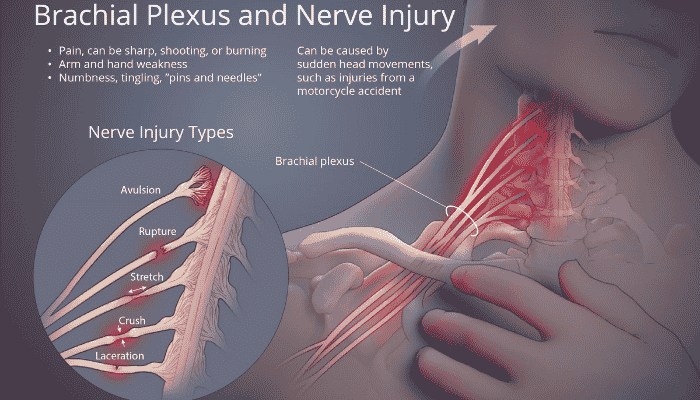
Nerve injury does not always appear serious in the beginning. Some people ignore early symptoms like numbness or burning pain, assuming it will go away on its own. But when nerves remain compressed or injured for a long time, they gradually lose their ability to transmit signals properly.
This can lead to problems such as:
- Poor grip in the hands
- Difficulty lifting the foot or walking properly
- Continuous burning or stabbing pain
- Progressive muscle weakness
Sometimes, staying in this condition for too long can make recovery more difficult.
What Surgery Really Does
The purpose of peripheral nerve surgery is simple — to restore nerve function or prevent further damage.
Depending on the condition, the surgeon may:
- Reduce pressure on the nerve
- Repair a cut or damaged nerve
- Reconnect severed nerve endings
- Use grafts if a part of the nerve is severely damaged
Sometimes microsurgery is needed because nerves are very small and sensitive, requiring high-precision treatment. Even a small improvement in nerve function can make a major difference in daily life.
How Movement & Pain Improve
Nerves do not heal immediately after surgery. Recovery often takes weeks or months. However, patients usually begin noticing gradual improvement once healing starts.
Pain relief is often the first change people experience. The burning or sharp sensation may reduce once pressure on the nerve is relieved. Slowly, movement also improves as the muscles begin receiving signals again.
Simple activities such as holding objects, walking comfortably, or raising the arm may become easier with time and rehabilitation.
Recovery Is a Slow and Steady Process
Nerve recovery is different from many other procedures where results appear quickly. It requires patience and proper follow-up care. Regular exercises, physiotherapy, and avoiding pressure on the treated area all support better healing.
Some patients recover faster than others, depending on how severe the nerve damage was before surgery.
Why Specialist Care Is Important
Peripheral nerve surgery is a delicate procedure because even small nerves are responsible for important body functions. Proper treatment planning is extremely important before deciding on surgery.
In Ahmedabad, advanced nerve care involves careful evaluation before any surgical decision is made. Dr. Chirag N. Solanki focuses on treating complex nerve conditions with the aim of restoring function and reducing long-term complications.
Final Thoughts
Peripheral nerve surgery is not just about repairing a nerve — it is about helping patients regain movement, comfort, and independence. When performed at the right time and under proper care, it can significantly improve the quality of life.
If you are experiencing symptoms such as weakness, numbness, or persistent nerve pain that is not improving, early consultation with a specialist may help prevent further nerve damage and improve the chances of recovery.